

You're facing the decision of which lens to buy, and everywhere you look, you see these numbers: 24 mm, 35 mm, 85 mm. Perhaps you've also read that one focal length is "perfect for portraits" and another "ideal for landscapes." But what does that actually mean for you? Which lens do you really need for your next city trip, for photos of friends, or for your creative projects? We'll clarify exactly that for you in this post. We'll take a look at the three most important prime lenses and show you when each one truly shines.
What do these millimeters actually mean?
Before we go into detail, let's briefly clarify what these numbers mean. The millimeter indication on the lens – i.e., 24 mm, 35 mm, or 85 mm – describes the focal length. It determines how much of the scene in front of you ends up in the photo.

Imagine it like different windows: A 24 mm lens is like a large panoramic window – you see a lot of the world around you. An 85 mm lens is like a smaller window or binoculars – you see a narrower section, but everything appears closer. The 35 mm is right in between and shows approximately what your eye sees.
These differences make each focal length perfect for specific situations. Let's look at the three individually.
The 24 mm: Your window to the big world
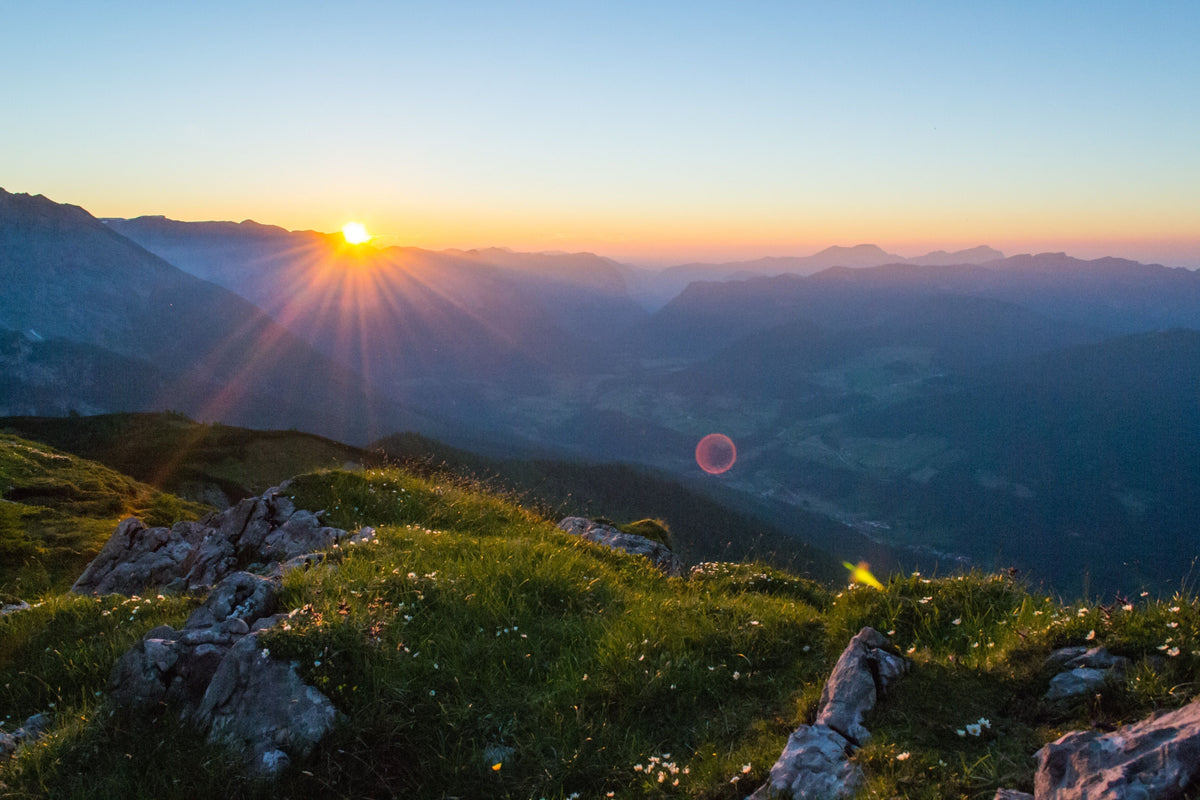
Imagine standing in front of an imposing building or on a mountain with an endless valley before you. You don't just want to show a section – you want to capture the grandeur, the vastness. That's exactly what the 24 mm is made for.

With the 24 mm, you get a lot in the picture. Perfect for landscapes – the sunset by the sea, the mountain range on the horizon, the entire majesty of nature. It also shows what it can do in narrow city streets or with tall buildings. You capture the atmosphere of an entire scene, not just a small section.

Vloggers and content creators love the 24 mm. You hold the camera in front of you, and both your face and the surroundings are in the picture – dynamic and personal.
Important to know: For classic portraits, the 24 mm is not ideal. Too close to the face, proportions appear distorted. There are better focal lengths for that.
Perfect for: Landscapes, architecture, vlogging, wide views, group photos in confined spaces
The 35 mm: The all-rounder for your everyday life
The 35 mm is many people's absolute favorite focal length. Why? Because it simply works everywhere. It appears natural and balanced – not too wide-angle, not too close, but just right for most situations.

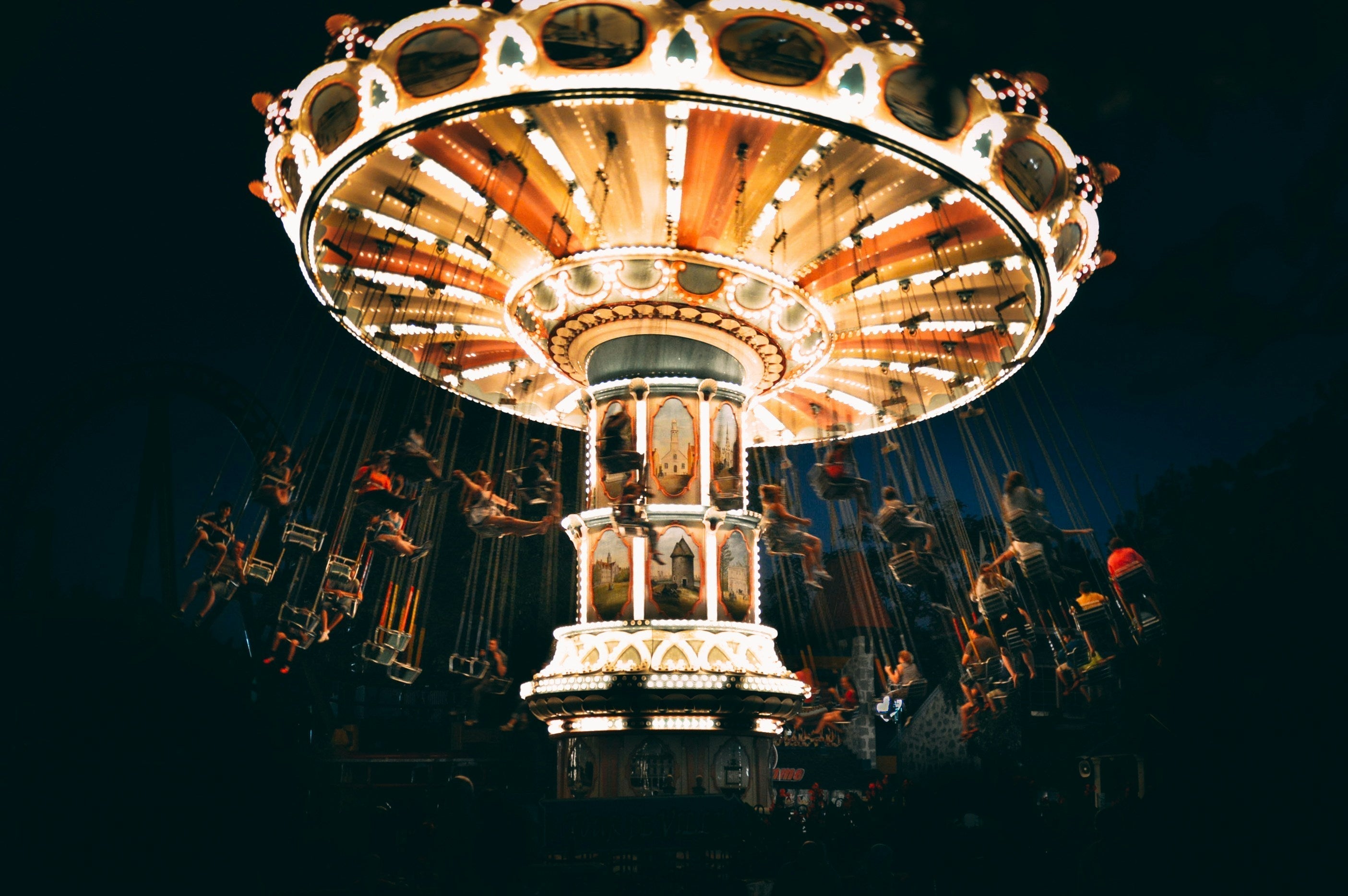
In street photography, the 35mm shows its greatest strength. People in a cafe, street musicians, bustling market activity – you capture exactly what you see. Close enough for atmosphere, wide enough for context. Also perfect for travel photos. Cityscapes, people in their environment, markets and alleys – the 35mm creates authentic, lively pictures.

It also works great for casual portraits. Friends at brunch, environmental portraits with a story, group photos – all no problem. Many photographers swear by the 35mm as a "one-lens setup" because it fits so many situations.
Perfect for: Street photography, travel, documentary photography, casual portraits, everyday life, food photography
The 85 mm: When people are the focus
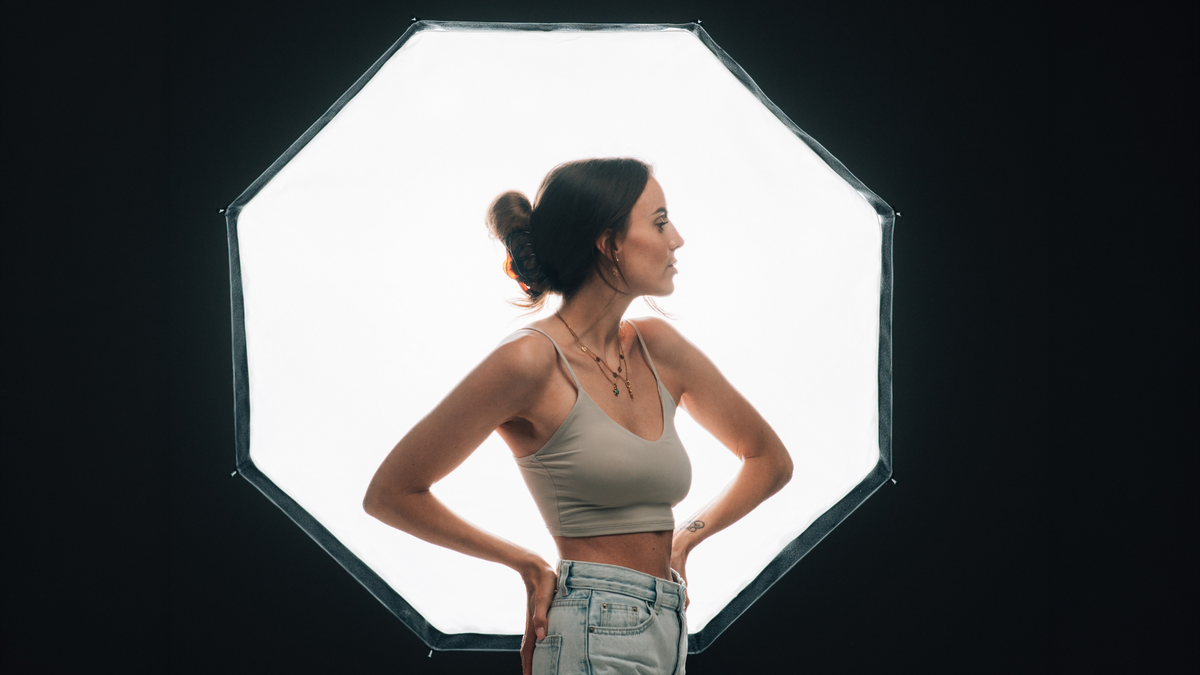
The 85 mm is the queen of portrait photography. Almost every portrait photographer has it in their bag. But why?

First, it renders faces incredibly flatteringly. Unlike wide-angle lenses, it shows people with natural, harmonious proportions. Everything just looks right.
Second, you have a comfortable working distance. You stand a few meters away, not directly in front of the person. This relaxes everyone involved and leads to more natural expressions.
Third, the bokeh. The blurred background is particularly pronounced with the 85 mm. The person is pin-sharp, the background disappears into soft blur. The gaze automatically wanders to the face, distracting elements vanish.
But the 85 mm can do more than just portraits. It's excellent for details – a craftsman's hands, spices in the market, close-ups with a story. It's also invaluable for events. You stay in the background and still capture emotional, intimate moments.

Perfect for: Classic portraits, lifestyle portraits, events (weddings, birthdays), details, beauty photography
Which focal length suits your plans?
Now the obvious question comes up: "Okay, that all sounds great – but where do I start?" The honest answer: It depends on what you'll be photographing most.
You're not sure what your main focus will be yet? Then the 35 mm is the best starting point. It works in most everyday situations, is flexible, and gives you a good feel for working with prime lenses. After a few weeks, you'll know if you need a wider 24 mm for landscapes or a longer 85 mm for portraits.
Is your heart set on portraits? Do you want to photograph friends, maybe even do small portrait sessions? Then start directly with the 85 mm. You'll immediately see and love the difference compared to your previous portraits.
Do you travel a lot and love landscapes? Or do you create content where you show yourself? Then the 24 mm could be your first prime lens. It opens up new perspectives and helps you capture vastness and atmosphere.

The good news: You don't have to commit forever. Many photographers gradually build up a set of all three. With 24 mm, 35 mm, and 85 mm, you're equipped for practically any situation – and yet your lenses are small, lightweight, and affordable.
Your path to the perfect focal length
The three focal lengths – 24 mm, 35 mm, and 85 mm – together cover almost all photographic situations. Each has its strengths, each its areas of application.
Consider what you'll be photographing in the coming weeks and months. What situations will you encounter? What appeals to you most? The answer will show you which focal length belongs in your bag next.
Do you have any questions about focal lengths? Or are you unsure which one is right for your plans? Feel free to write us in the comments – we'll help you.
Share:
Prime Lens or Zoom – Which is better for beginners?
Lens Terms Explained – What Do F, AF, MF & Co. Mean?